Clinic Spotlight: Seager Clinic
Clinic Spotlight: Seager Memorial Clinic
Providing Free, Compassionate Care to Northern Utah
For many people in Northern Utah, accessing healthcare is not as simple as scheduling an appointment. Being uninsured, experiencing homelessness, struggling financially, or not knowing where to turn can make even basic medical care difficult to access.
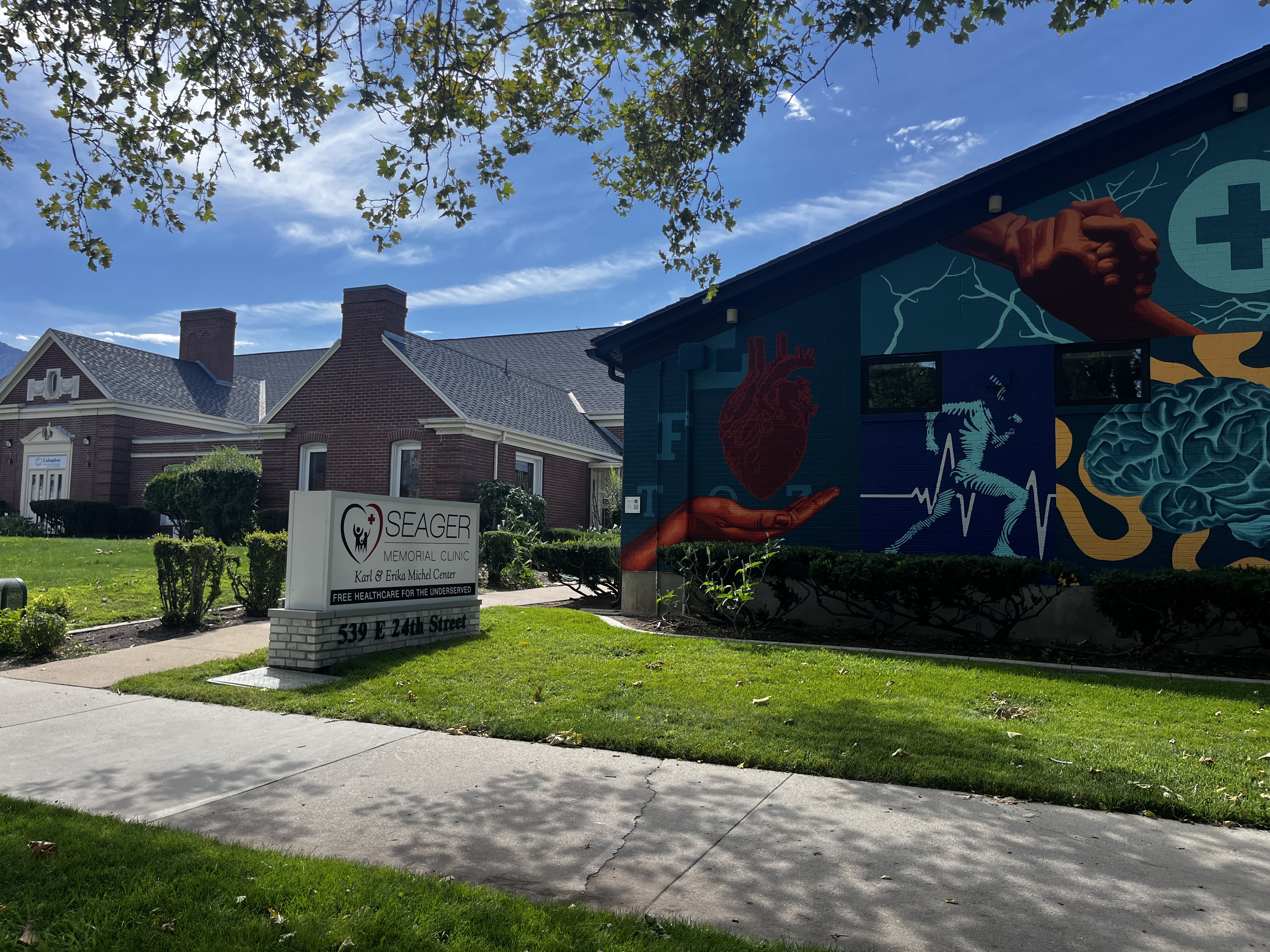
For more than 35 years, Seager Memorial Clinic in Ogden has worked to close that gap.Seager's mission is to provide free, easy-access, non-judgmental medical, dental, vision, and mental health care to underserved members of the community.
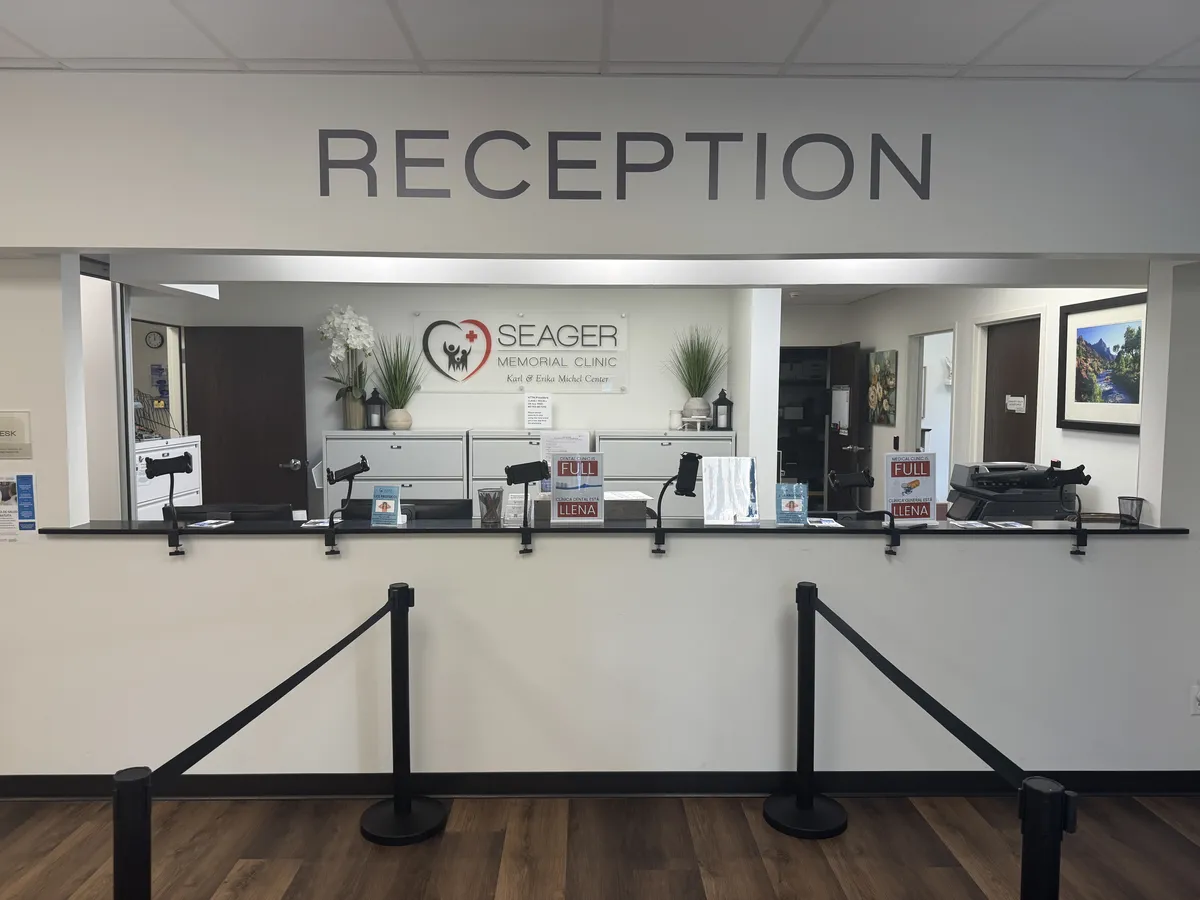
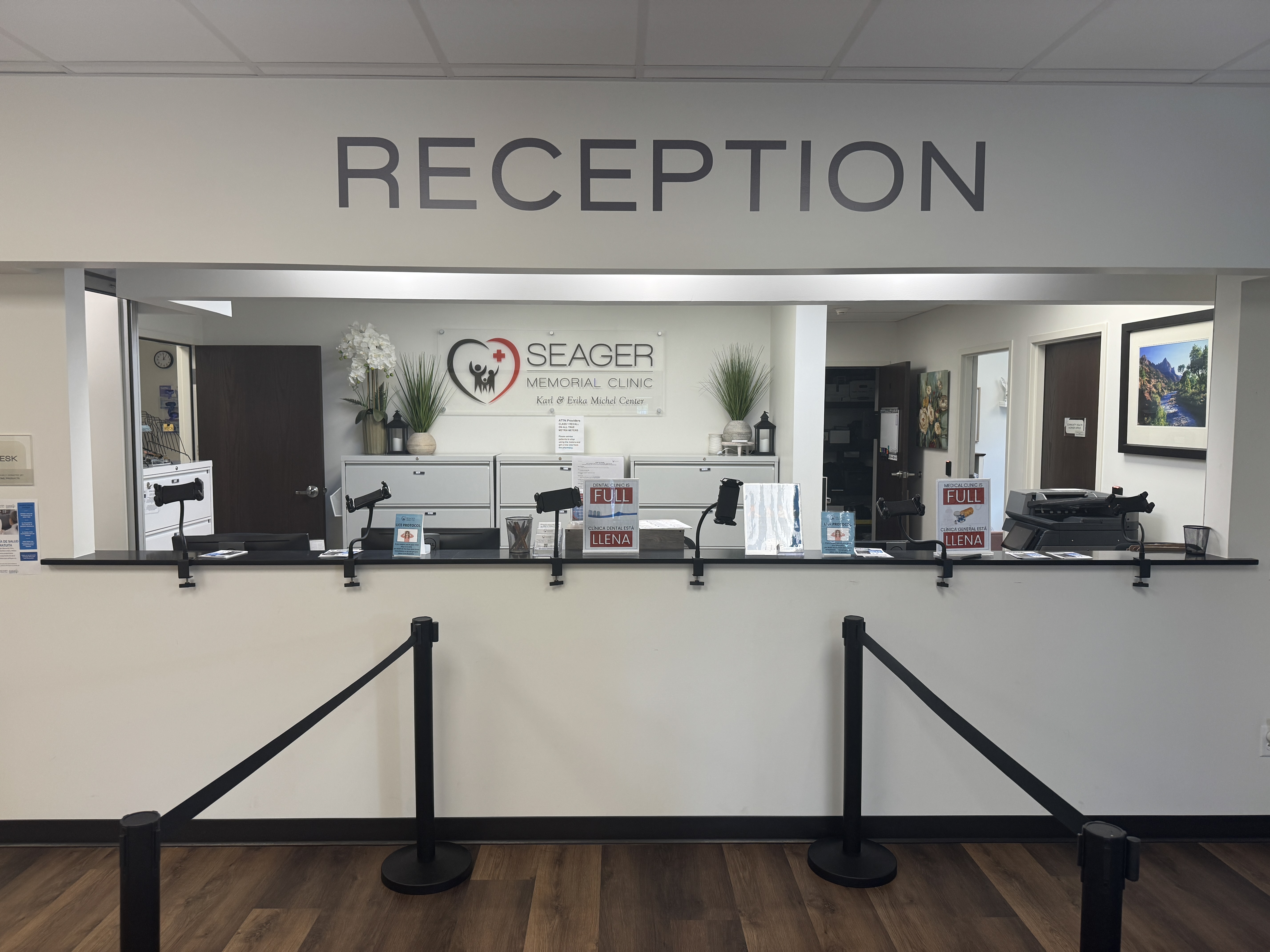
During our recent visit, the Globus Relief team had the opportunity to tour Seager's new clinic, learn more about the people they serve, and see how access to donated medical supplies can help the clinic stretch its resources further.
A Clinic Built Around Community Need
Seager Memorial Clinic's story began in 1988 when Dr. Floyd Seager, a local physician, saw a man collapse on a street in Ogden. After learning that the man was experiencing homelessness and did not have access to medical care, Dr. Seager knew something needed to be done.Dr. Seager and his wife, Dauna, founded Seager Memorial Clinic in partnership with the Ogden Rescue Mission on September 16, 1988.That original commitment to accessible healthcare continues today.
Since opening, Seager has surpassed 80,000 patient visits and now provides approximately 2,900 patient visits each year. The clinic is supported by 343 dedicated volunteers who contribute more than 9,200 hours annually, helping Seager provide a wide range of services while keeping the average cost of a patient visit to approximately $118.
Today, those services include primary care, dental services, vision care, behavioral health, pharmacy services, and community outreach.
Meeting Patients Where They Are
The numbers help show just how important Seager is to the community.
According to Seager's 2026 patient demographic data, 45.5% of patients surveyed were uninsured, 26.4% were experiencing homelessness, and 80.5% were from Weber County.Nearly half, 46.4% were visiting Seager for the first time. For many of these patients, Seager provides access to services that might otherwise be difficult to receive.
One patient described what receiving new glasses through Seager's Eye Clinic meant to them:
“Thank you all so much for my new glasses. I literally see the world better thanks to everyone involved with the Eye Clinic.”
Another patient described how the way they were treated made Seager different from other healthcare experiences:
“They treat people like people want to be treated and they make you feel like your issue is important to them.”
These stories show an important part of Seager's work that cannot always be captured through numbers. The clinic is not only providing health care it is creating a place where people can feel comfortable asking for help.
More Than a General Medical Clinic
One of the things that stood out during our visit was the range of services Seager is able to provide.
Along with primary care, the clinic offers dental services, eye exams and glasses, behavioral health services, medication support, pharmacy services, and community outreach.
Mental health care has also become an important part of Seager's services. The clinic provides individual therapy with licensed mental health professionals, including support for people experiencing anxiety, depression, trauma, and substance-use challenges.
Seager also reaches beyond the walls of the clinic. Its Annual Health Screening Day provides free screenings for blood pressure, glucose, cholesterol, BMI, and vision, along with mental health resources and immunizations.
Together, these programs allow Seager to address more than one part of a patient's health and help connect people with care they may have struggled to access elsewhere.
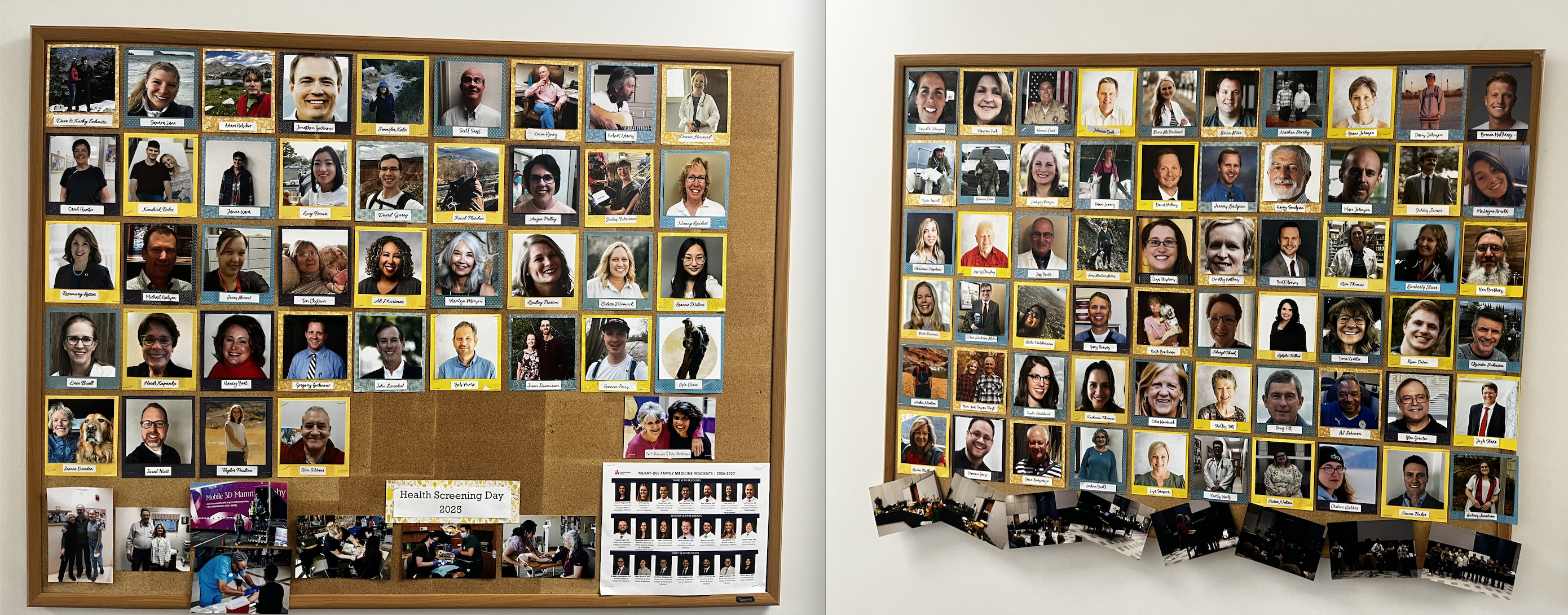
Volunteers Make the Work Possible
Behind Seager's services is an extensive network of volunteers.
Medical, dental, vision, mental health, and other professionals donate their time and skills to the clinic. Those volunteers contribute approximately 9,242 hours of service each year.
The impact of that time can be life-changing.
One volunteer recalled an 80-year-old man who came to Seager's Eye Clinic after losing his sight. An examination revealed dense cataracts in both eyes. The volunteer team helped arrange cataract surgery, and a volunteer even drove the patient and an interpreter to the procedure.
When the man returned to the clinic after surgery, his vision had been restored.
Another volunteer described seeing patients receive medications they otherwise could not afford, including antibiotics for a serious abscess and insulin for a woman whose diabetes had gone poorly controlled for years.
These are individual stories, but together they show what thousands of hours of donated time can mean for patients who have limited options for care.
Filling the Supply Gaps
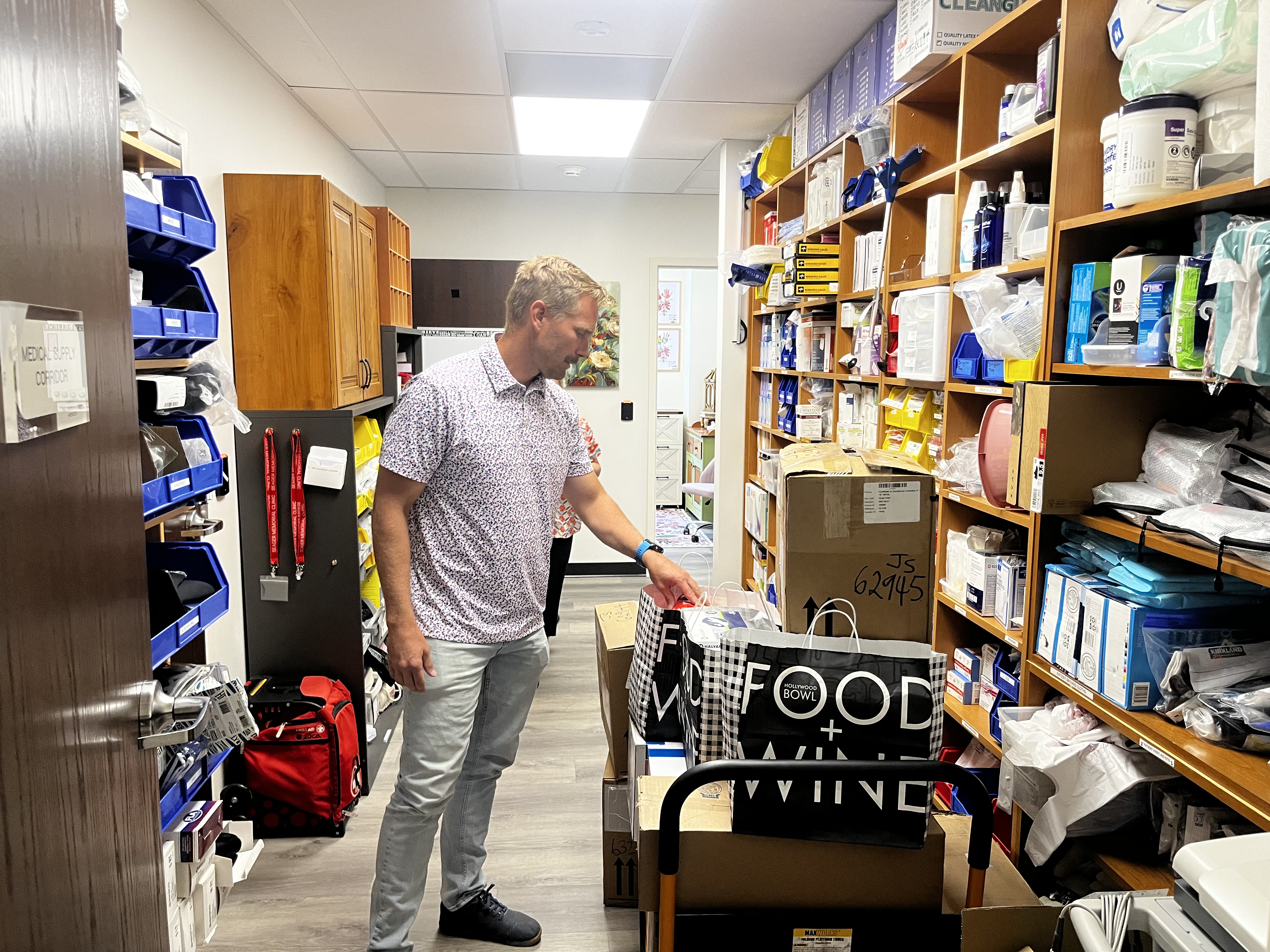
Volunteer time is only one part of keeping a free clinic running. Every appointment also requires supplies.
Seager Memorial Clinic has used Globus Relief to help fill gaps in its inventory and reduce the amount it needs to purchase elsewhere. During our visit, staff identified frequently used items such as exam table paper, Band-Aids, gauze, toothbrushes, toothpaste, braces, and other everyday clinical supplies as continuing needs.
Because Globus works primarily with donated medical resources, inventory can change depending on what is available. For Seager, the program works as a gap filler rather than replacing its regular purchasing entirely.
Even with donated resources, Seager spends approximately$8,000 purchasing supplies outside of Globus. That shows how quickly the cost of everyday healthcare materials can add up and why making use of donated supplies whenever possible can be so valuable.
Turning Supply Savings Into Patient Care
For Seager, the value of donated medical supplies extends beyond the products themselves.
Through its relationship with Globus Relief, Seager has received $30,572.70 worth of medical supplies, resulting in approximately $7,893.84 in savings after associated costs.
For a free clinic operating with limited resources, those savings matter.
Money that does not have to be spent replacing routine medical supplies can remain available for medications, laboratory testing, patient services, and other needs that donated products cannot always cover. With Seager's average patient visit costing approximately $118, stretching every available dollar helps the clinic continue providing care to more people in the community.
The impact of donated supplies can also be seen in much smaller, more personal moments.
During our visit, Seager staff shared the story of a mother who came to the clinic with her three-day-old baby. Along with receiving support at the clinic, she was able to leave with diapers that had come through Globus Relief.
A box of diapers may seem small compared with a medical procedure or prescription, but for someone who needs them at that moment, they can make an immediate difference.
That is what makes redirecting usable resources so important. A product that may no longer be needed in one place can still have real value when it reaches the right organization and the right person.
A New Chapter for Seager
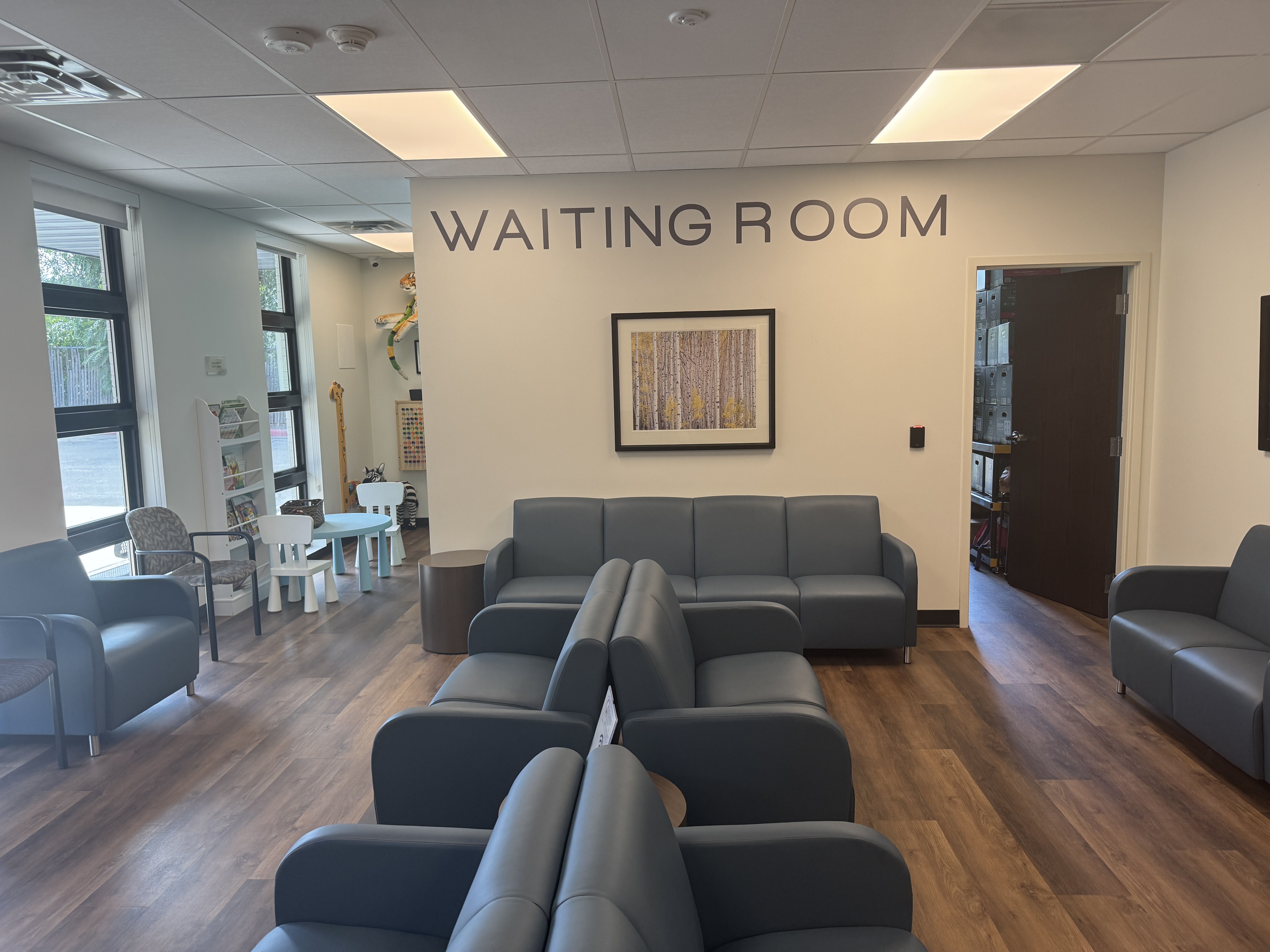
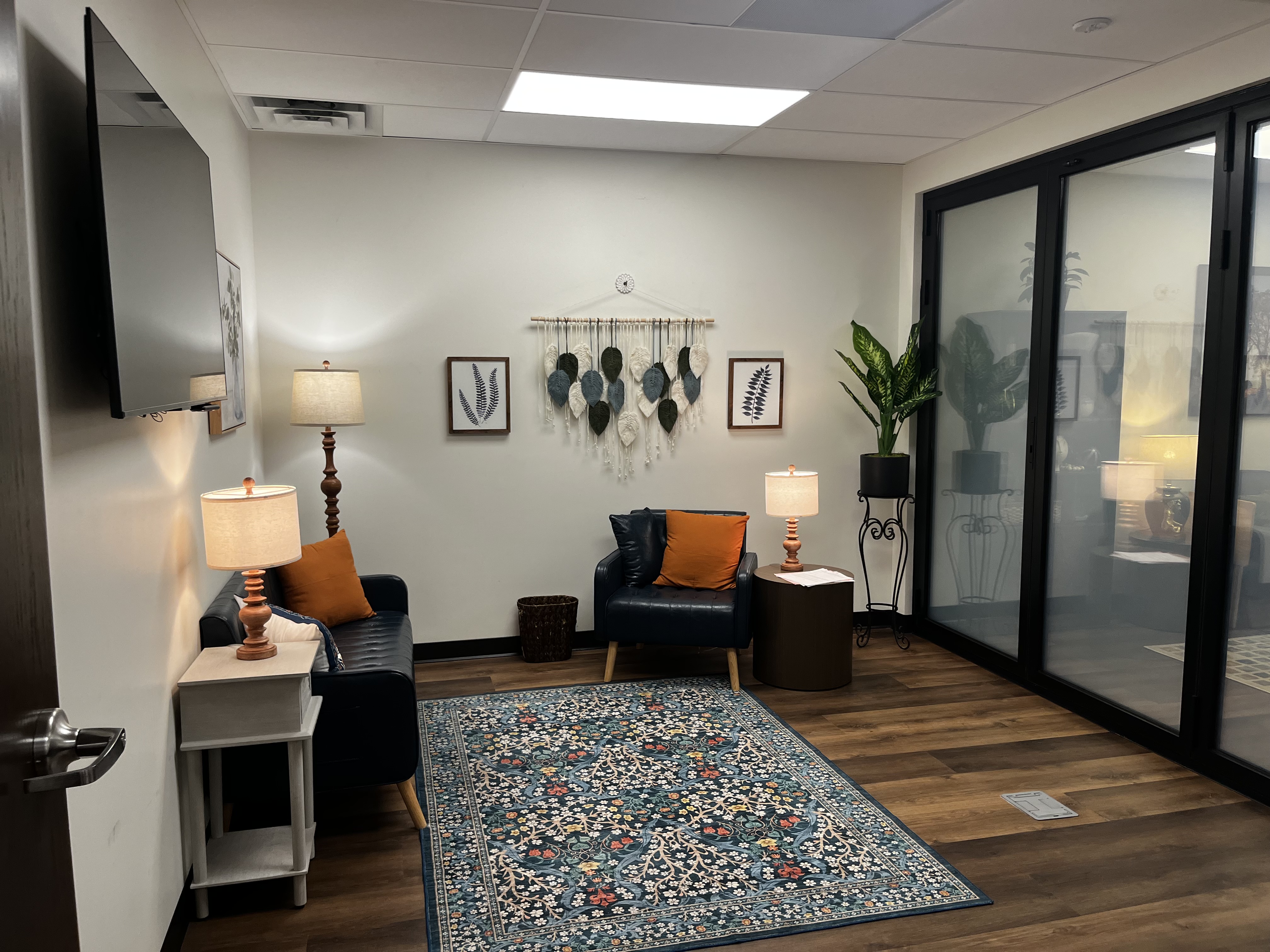
Seager is now entering another chapter in its history with its move into a new, larger clinic.
The additional space gives Seager room to continue its medical services while supporting specialized programs such as vision care, behavioral health, and pharmacy services.
The new facility may look very different from where Seager's story began in 1988, but the purpose behind it remains the same: making healthcare more accessible to people who need it.
Strengthening Utah's Healthcare Safety Net
Organizations like Seager Memorial Clinic are an important part of Utah's healthcare safety net.
More than 45% of surveyed Seager patients arrive without insurance, while more than a quarter report experiencing homelessness. For these patients, having somewhere they can receive care without worrying about the cost can make a significant difference.
Seager's work also demonstrates why collaboration matters.
Healthcare professionals contribute their time. Community organizations connect patients with additional resources. Donors provide financial support. Organizations like Globus Relief help redirect usable medical supplies to clinics where those resources can continue serving a purpose.
Instead of allowing valuable medical resources to go unused, these partnerships help put them back into the healthcare system and into the hands of providers caring for people in their own communities.
More than 35 years after Dr. Floyd and Dauna Seager responded to one person's need for medical care, their original idea continues to grow.
The building has changed, the services have expanded, and thousands of patients have walked through Seager's doors, but the purpose remains the same: providing free, compassionate, non-judgmental care to people who need it.
Ways to Get Involved
Donate Medical Supplies
Help keep valuable medical supplies out of landfills and in the hands of healthcare providers who need them most.
Donate Supplies: https://globusrelief.org/donate-medical-supplies/
Make a Financial Donation
Your gift helps recover, transport, warehouse, and distribute donated medical supplies where they're needed most.
Donate Today: https://globusrelief.org/donate/
Volunteer With Globus Relief
Volunteer alongside our team to sort and prepare medical supplies that will improve healthcare access locally and globally.
Volunteer: https://globusrelief.org/volunteer/